Exploring the World of Siding and Gutters
Siding and gutters play a crucial role in protecting our homes from the elements, while also enhancing their aesthetic appeal. In this comprehensive guide, we will delve into the different types of siding materials, explore the various gutter options available, and provide valuable insights on installation and maintenance.
Get ready to discover everything you need to know about siding and gutters!
Types of Siding
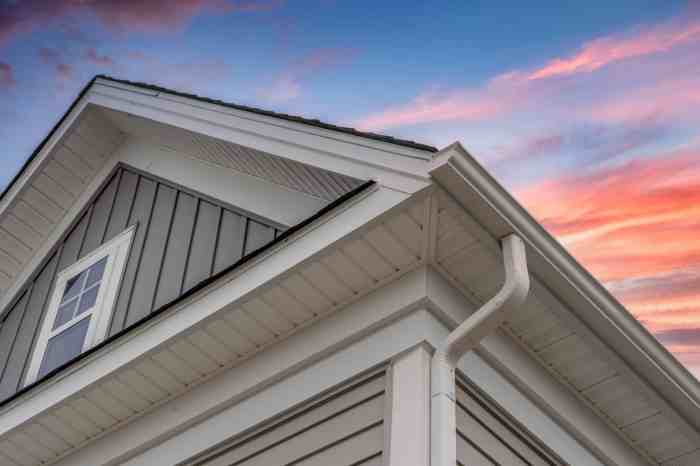
When it comes to choosing siding for your home, there are several common materials to consider, each with its own set of pros and cons.
Vinyl Siding
- Pros: Affordable, low maintenance, available in various colors and styles.
- Cons: Can crack or fade over time, not as durable as other materials.
Fiber Cement Siding
- Pros: Durable, fire-resistant, low maintenance, can mimic the look of wood or stucco.
- Cons: More expensive upfront cost, can be heavy to install.
Durability: Vinyl vs. Fiber Cement
Vinyl siding is generally less durable than fiber cement siding, which is known for its longevity and resistance to harsh weather conditions.
Maintenance: Wood vs. Aluminum
- Wood Siding: Requires regular painting or staining to prevent rot and insect damage.
- Aluminum Siding: Low maintenance, but can dent easily and may require repainting over time.
Gutter Materials

When it comes to choosing gutter materials, there are several options available in the market to suit different needs and budgets.
Advantages of Seamless Gutters
- Seamless gutters are less likely to leak compared to traditional sectional gutters, as they have fewer joints.
- They are easier to maintain since there are no seams where debris can accumulate and cause clogs.
- Seamless gutters provide a more streamlined and aesthetically pleasing look for your home.
Longevity of Copper Gutters vs PVC Gutters
- Copper gutters are known for their durability and can last up to 50 years or more with proper maintenance.
- PVC gutters, on the other hand, have a shorter lifespan of around 20-30 years and may need to be replaced sooner.
- While copper gutters may be more expensive upfront, their longevity can make them a cost-effective choice in the long run.
Installation Process for Steel Gutters vs Aluminum Gutters
- Steel gutters are heavier and more durable than aluminum gutters, but they may require additional support during installation.
- Aluminum gutters are lightweight and easier to handle, making them a popular choice for DIY installations.
- Both steel and aluminum gutters can be painted to match your home's exterior, providing a customizable option for homeowners.
Siding Installation

Installing siding on a residential property involves several key steps to ensure a successful and long-lasting outcome. Proper insulation, weatherproofing, and the choice between DIY installation and hiring a professional contractor are crucial considerations in this process.
Steps Involved in Siding Installation
- Prepare the Surface: Before installing siding, make sure the surface is clean, smooth, and free of any debris or moisture to ensure proper adhesion.
- Measure and Cut: Accurately measure the dimensions of the area to be covered and cut the siding panels accordingly to fit perfectly.
- Install Insulation: Proper insulation is essential for energy efficiency. Install a moisture barrier and insulation material before placing the siding.
- Attach Siding Panels: Secure the siding panels to the exterior of the property using appropriate fasteners and following the manufacturer's guidelines.
- Finish and Seal: Once all panels are installed, finish the edges and corners neatly and seal any gaps or joints to prevent water infiltration.
Tips for Proper Insulation
- Choose the Right Insulation Material: Select insulation materials that are suitable for your climate and provide the desired level of energy efficiency.
- Proper Installation: Ensure insulation is installed correctly without any gaps or compression to maximize its effectiveness.
- Consider Vapor Barriers: Depending on the climate, adding a vapor barrier can help prevent moisture buildup and improve insulation performance.
Importance of Weatherproofing
- Prevents Water Damage: Proper weatherproofing protects the underlying structure from water infiltration, preventing mold, rot, and other water-related issues.
- Enhances Energy Efficiency: A well-sealed and weatherproofed exterior helps maintain indoor temperatures, reducing energy consumption for heating and cooling.
- Increases Longevity: Weatherproofing extends the lifespan of the siding by protecting it from the damaging effects of the elements.
DIY vs. Professional Installation
- DIY Installation:
Pros: Cost-effective, allows for customization, can be a rewarding experience for homeowners.
Cons: Requires time, effort, and skill, may result in errors if not done correctly.
- Professional Installation:
Pros: Expertise, efficiency, warranty coverage, ensures proper installation.
Cons: Higher cost, less customization options, reliance on external help.
Gutter Maintenance

Maintaining gutters is essential to prevent clogging, leaks, and other issues that can lead to water damage in your home. Regular gutter maintenance can ensure optimal performance and protect your home's foundation.
Preventing Clogging
- Clean gutters regularly to remove leaves, debris, and other obstructions that can cause clogs.
- Install gutter guards to prevent larger debris from entering the gutters while allowing water to flow freely.
- Trim overhanging branches to prevent leaves and twigs from falling into the gutters.
Cleaning Gutters
- Use a sturdy ladder and gloves to remove debris by hand or with a trowel.
- Flush gutters with a garden hose to ensure proper drainage and identify any blockages.
- Clean downspouts by removing obstructions and flushing with water to prevent backups.
Identifying and Repairing Issues
- Inspect gutters for leaks, rust, or sagging areas that may need repair or replacement.
- Seal leaks with a waterproof sealant and replace damaged sections of the gutter if necessary.
- Adjust gutter hangers to fix sagging gutters and ensure proper water flow.
Seasonal Maintenance Tips
- Inspect gutters in the spring and fall to remove debris and ensure they are in good condition.
- Check for loose fasteners and reattach or replace them as needed to secure the gutters.
- Consider installing gutter extensions to direct water away from the foundation during heavy rain or snowmelt.
Concluding Remarks
As we wrap up our discussion on siding and gutters, it's evident that these components are essential for maintaining a safe and visually appealing home. By understanding the nuances of siding materials and gutter options, homeowners can make informed decisions to protect their investment and enhance their property's curb appeal.
Take the necessary steps to ensure your siding and gutters are in top-notch condition, safeguarding your home for years to come.
Questions and Answers
How do I choose the right siding material for my home?
Consider factors such as durability, maintenance requirements, and aesthetic appeal when selecting a siding material that suits your needs and budget.
Are seamless gutters worth the investment?
Seamless gutters offer superior leak protection and require less maintenance compared to traditional sectional gutters, making them a worthwhile investment in the long run.
What are some common gutter issues to watch out for?
Look out for leaks, clogs, and sagging in gutters, as these issues can lead to water damage and affect the structural integrity of your home.